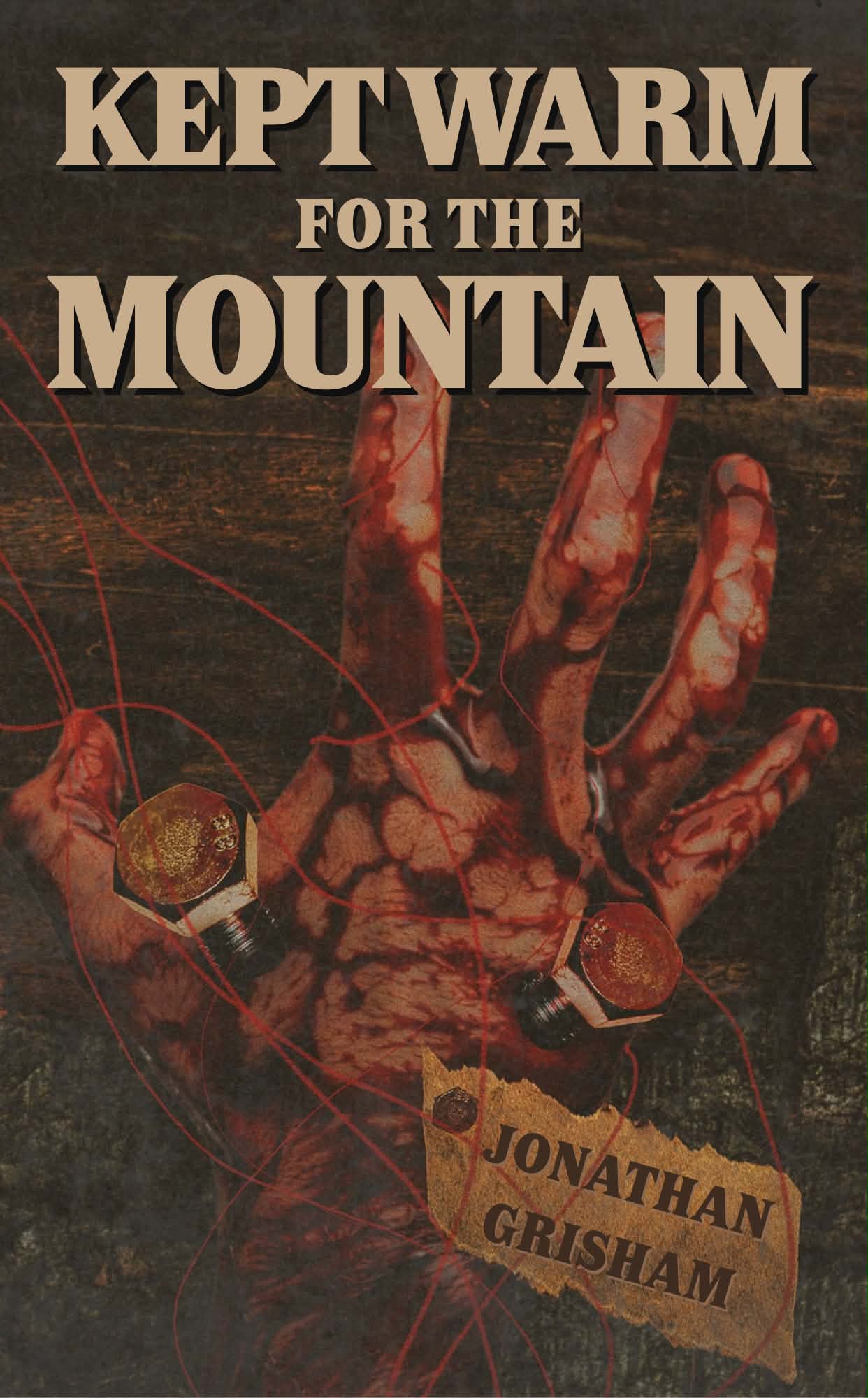
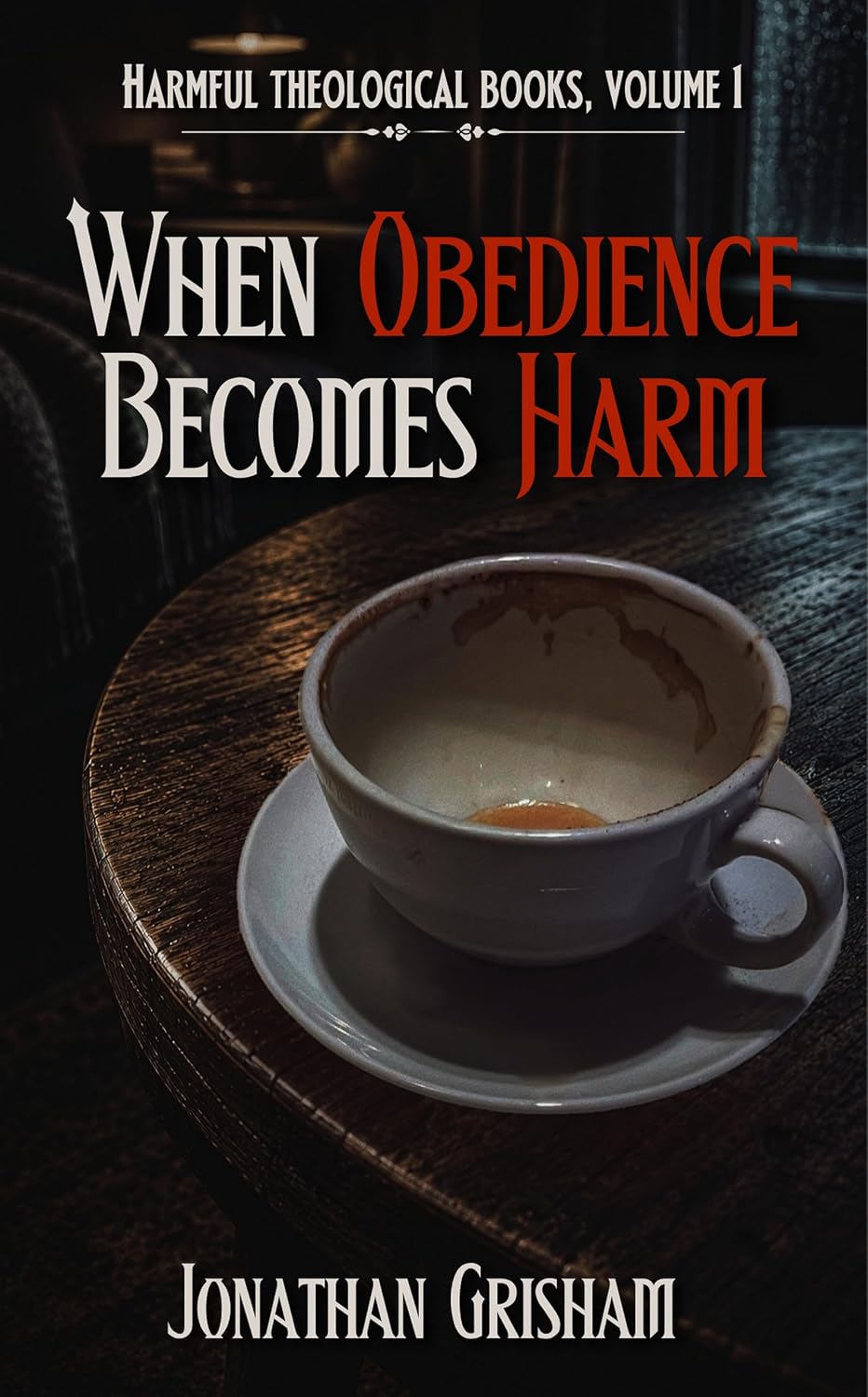
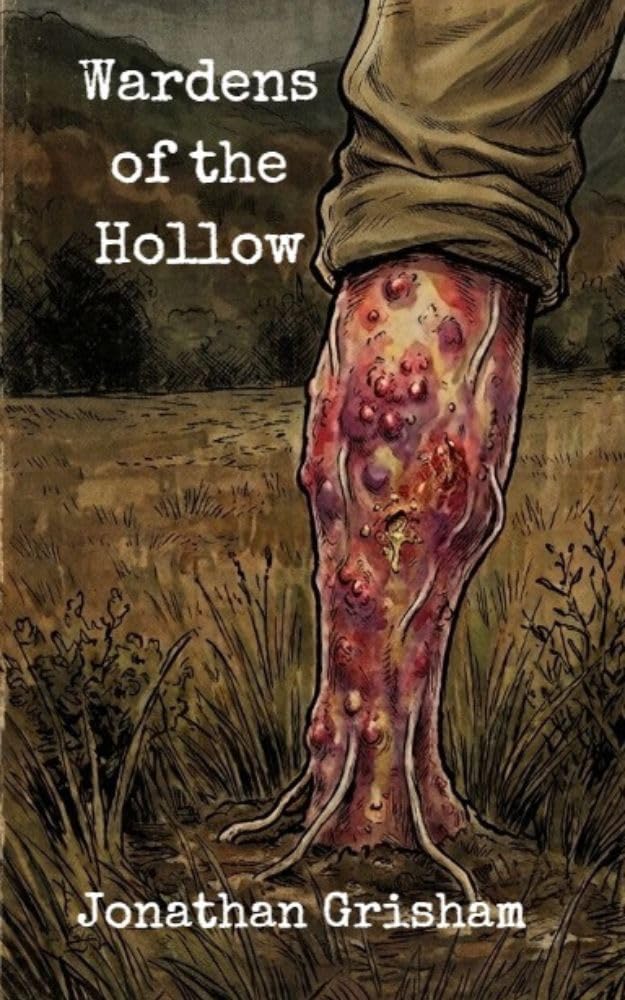
About the Book
This is the one that is not fiction.
The Independent Fundamental Baptist movement does not announce itself as a cult. It announces itself as the truth. If you are raised inside it from childhood, as Jonathan Grisham was at Boeke Road Baptist Church in Evansville, Indiana (since rebranded as Faithway Baptist), you have no frame of reference for the difference. Southside Christian School, the church's educational arm, called its curriculum rigorous. It was suffocating. Verse memorization, chapel attendance, unquestioning obedience, and the suppression of any thought that diverged from institutional doctrine. The school claimed to instill strong faith. What it instilled was the specific anxiety of a child who has learned that independent thinking is a spiritual failure.
Crown College of the Bible in Powell, Tennessee is where the framework began to fracture. He began examining the doctrines that had been laid into him since childhood and discovered that examination itself had been the thing he was most forbidden to do. What followed was not a clean break. It was years of work, of survivor testimony, of confronting the mechanics of emotional manipulation, information control, thought control, and the particular lie that the IFB's idea of salvation has nothing to do with grace.
When his sexuality was discovered, silence stopped being an option. What followed was this book. Not a polemic. A loving and grieving critique written for people still inside who sense something is wrong, people trying to leave who need language for what happened to them, and people on the outside trying to understand the ones they love who went through it.
Themes
Origin
He survived it, which is not the same as leaving it clean. He carries Boeke Road the way people carry the things that shaped them before they were old enough to choose what would. He wrote the first edition because he needed to and because silence was no longer a position he could hold. He wrote the second edition because the first one stopped at the edge of something it should have walked through.
The second edition names the mechanisms. It documents the specific pattern of information control, thought control, and emotional manipulation that the IFB uses, not as a matter of extremism but as a matter of institutional policy. It responds to the theology with scripture and to the abuse with testimony. It does not ask for gentleness toward any of it, because gentleness toward the institution is one of the tools the institution has always used to protect itself.
This book is for the people still inside who feel the specific anxiety of a child who has been taught that their own mind is the enemy. It is for the people who got out and need language for what was done to them. It is for the people who love someone in both of those positions and cannot understand why they cannot simply leave or simply heal. The language is here. The documentation is here. He wrote it for exactly those people, from exactly that place.